Iowa has the highest radon rates in the country.
That's not a reason to worry. It's a reason to test. Fast results, clear answers, and a solution when you need one.
Protecting the homes where life happens.
Radon doesn't announce itself. It builds up quietly in Iowa basements while families go about their lives — and seven out of ten Iowa homes have levels above what the EPA considers safe.
Radon is the leading cause of lung cancer among non-smokers and the second leading cause overall. In Iowa, an estimated 400 people die from radon-induced lung cancer every year.
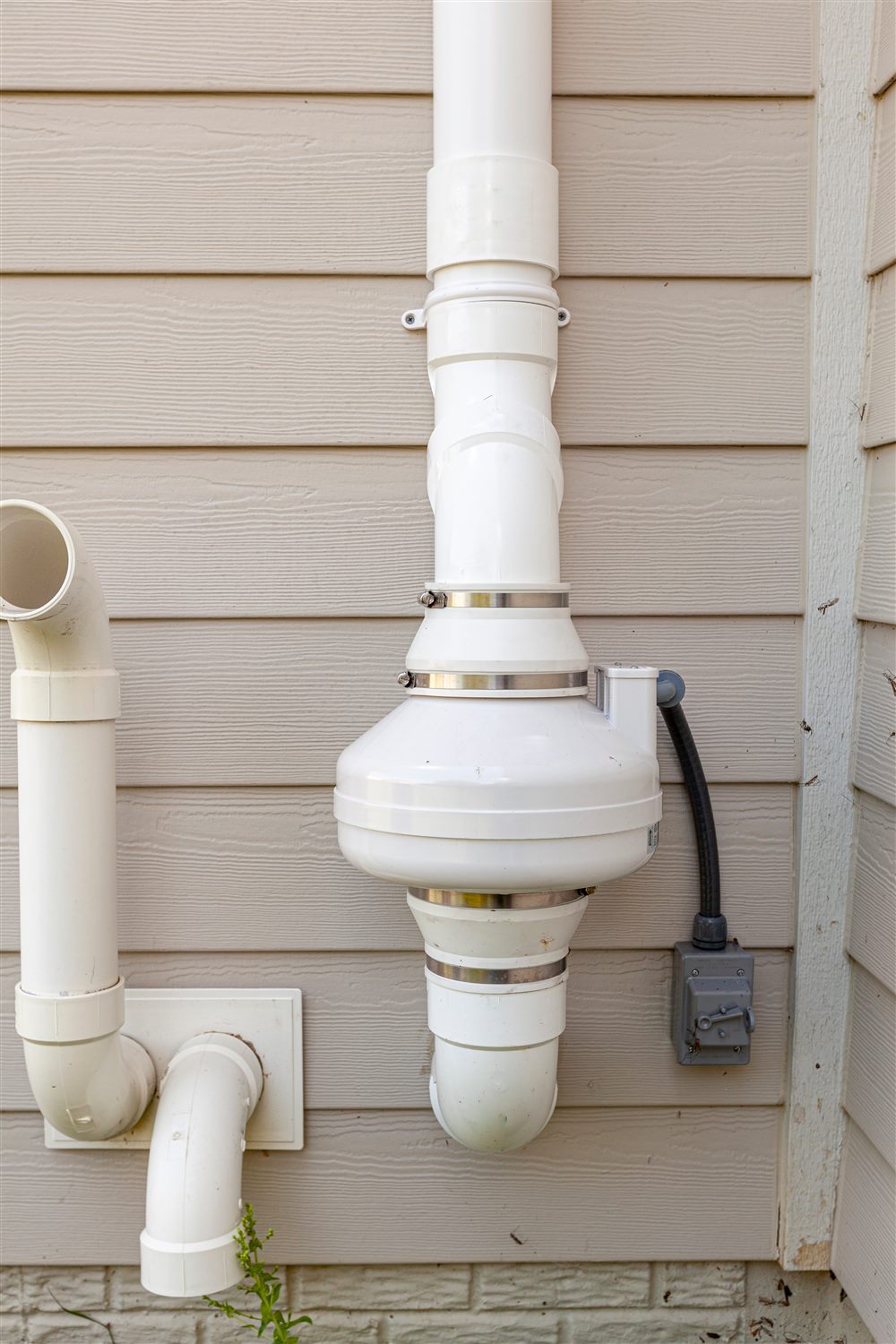
"Every mitigation system we install is guaranteed to reduce your radon below 2.7 pCi/L — or we return at no charge until it is."
Central Iowa is our home too.


Our Services
Comprehensive radon solutions for central Iowa.

Dedicated Solutions For:
Iowa HHS Certified
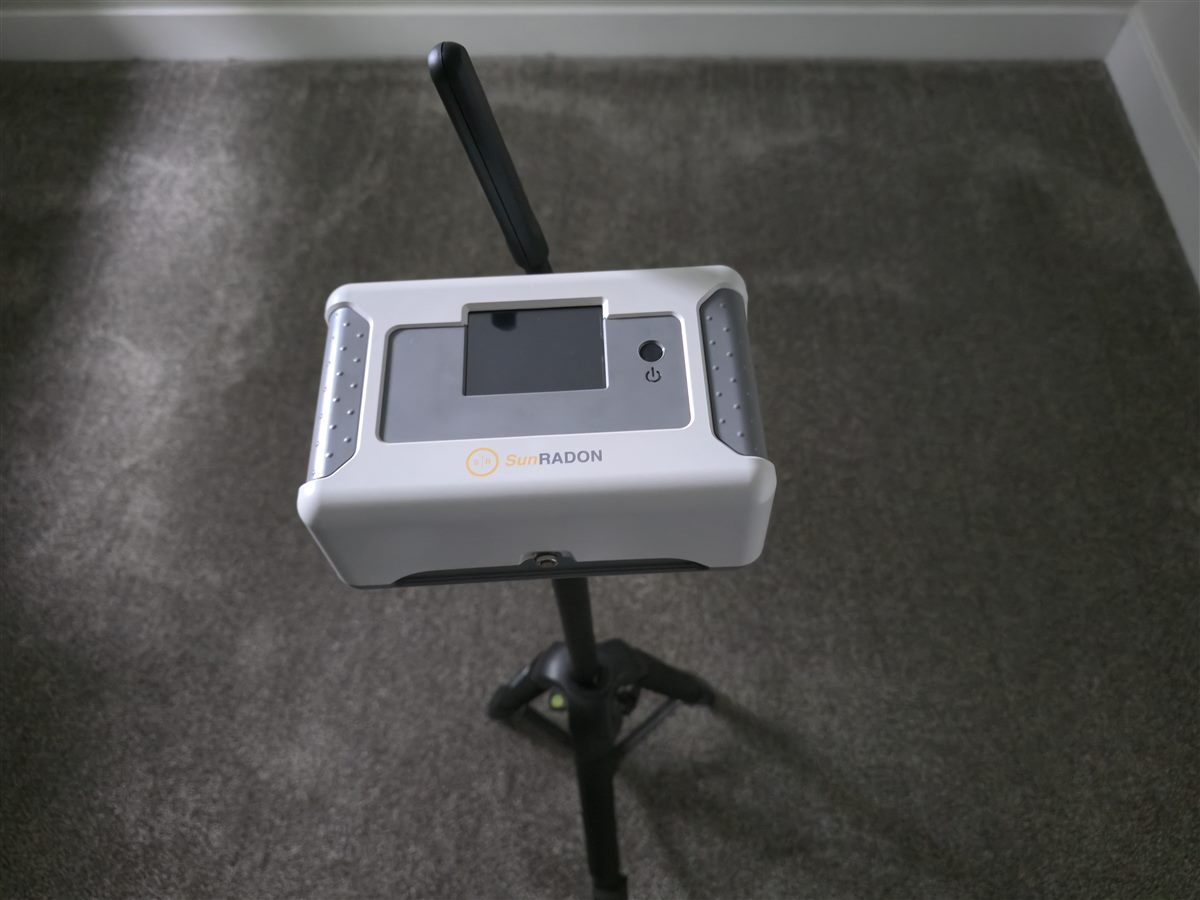
Measurement & Mitigation
NRPP Listed
National Proficiency
Fully Insured
Comprehensive Coverage
Frequently Asked Questions
Clear answers about radon in Iowa.
Radon is a naturally occurring radioactive gas that seeps into homes from Iowa's soil. Iowa averages 8.5 pCi/L indoors — more than six times the national average. Seven out of ten Iowa homes test above the EPA action level of 4.0 pCi/L, making Iowa the highest-radon state in the country.
The only way to know is to test. Radon is invisible, odorless, and undetectable without professional equipment. All Midwest Radon provides certified 48-hour CRM testing with same-day results — a clear, plain-language report that tells you exactly where your home stands.
The EPA recommends taking action at 4.0 pCi/L. The World Health Organization recommends keeping levels below 2.7 pCi/L — a more protective standard. There is no completely safe level of radon exposure. All Midwest Radon guarantees every mitigation system we install reduces your home's radon below 2.7 pCi/L.
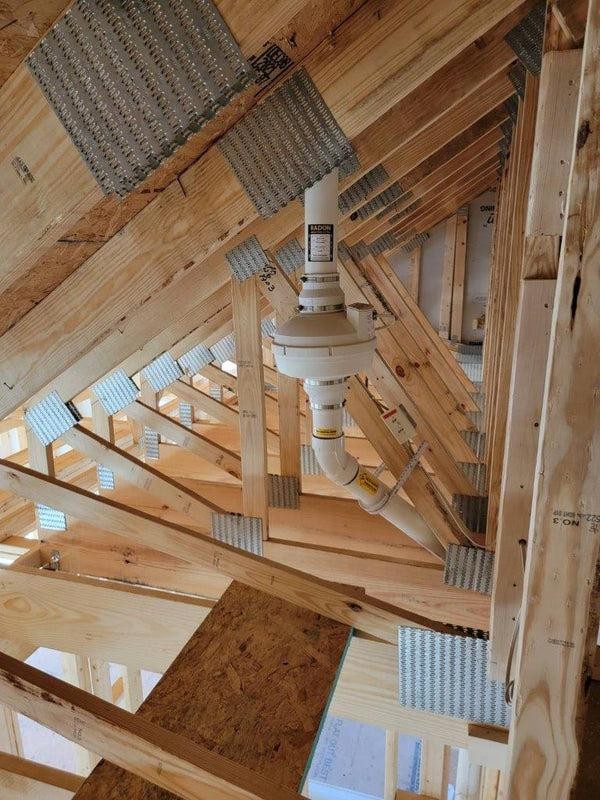
Yes. A brand-new home built on Iowa's glacial soil can test just as high as a home built decades ago. Iowa's new construction radon mandate (HF2297) requires passive radon stubs in new homes — but a passive stub alone reduces radon by only 30–50%, often not enough in Iowa's high-radon environment. Testing within 90 days of move-in is strongly recommended.
Iowa law requires sellers to disclose known radon test results to buyers under Iowa Code Chapter 558A. While testing itself is not legally mandated, disclosure of known results is — making professional testing a standard part of nearly every central Iowa real estate transaction.
Ready to protect your Iowa home?
Schedule a 48-hour CRM test. Same-day results. Iowa-certified specialists.